
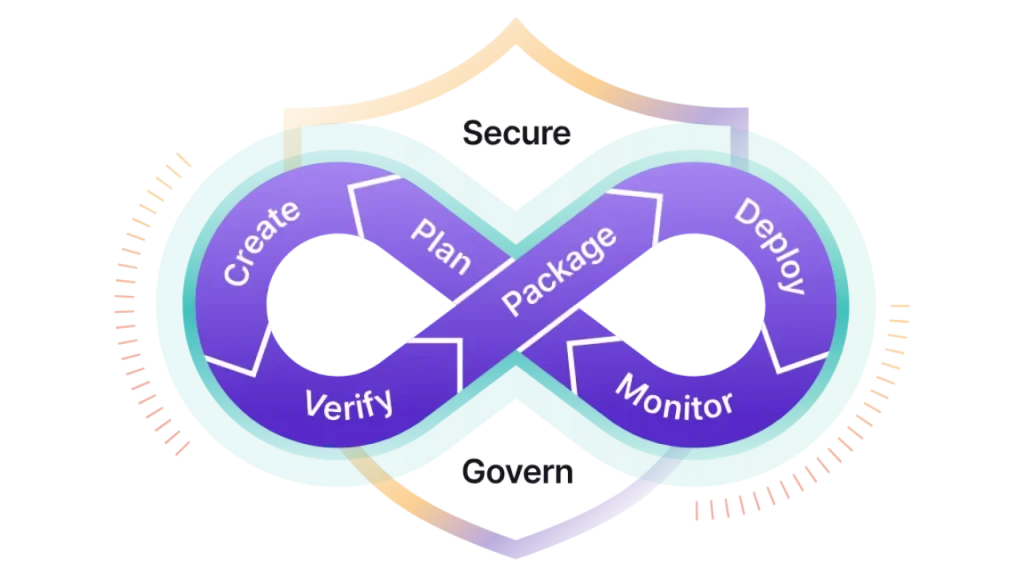
A Practical Guide to DevOps Platforms That Matter
Essential DevOps tools are the backbone of fast, reliable, and scalable software delivery. As development cycles become shorter and customer expectations continue to rise, teams need better ways to automate workflows, manage infrastructure, and maintain application performance. The right toolset helps organizations reduce friction between development and operations while improving release quality.
Modern teams cannot depend on manual processes for every deployment, environment change, or performance check. Instead, they need solutions that support collaboration, testing, deployment, and monitoring from one stage to the next. That is where DevOps tools create real business value.
Why These Tools Are Important for Growing Teams
DevOps success depends on speed, consistency, and visibility. Without the right systems, teams often face delayed releases, avoidable errors, and communication gaps. Good tooling solves these problems by making workflows easier to repeat and manage.
That is why many organizations now depend on DevOps automation tools to reduce manual effort and improve operational accuracy. Automation helps teams save time, while better integration between tools helps everyone stay on the same page.
1. Git Keeps Development Organized
Git is a core tool for source code management. It allows teams to track every code change, collaborate on features, and maintain a clear history of development work. In DevOps, version control is essential because it gives teams confidence when they test, release, or roll back updates.
By using Git, developers can work in branches, review pull requests, and merge code in a more controlled way. This improves collaboration and reduces the risk of conflict in shared projects.
2. Jenkins Supports Continuous Delivery
Jenkins is one of the best-known platforms for build and deployment automation. It plays a major role among continuous integration tools because it automatically builds and tests applications whenever new code is introduced.
This early testing process helps teams find problems before they become larger issues. Jenkins also supports many integrations, which makes it suitable for a wide range of project environments. For teams that want reliable CI/CD pipelines, it remains a strong option.
3. Docker Improves Portability
Docker packages software into containers, which allows applications to run consistently across different systems. This removes many of the environment-related issues that slow down deployments. Developers can build once and run the same container in testing, staging, and production.
Because of this portability, Docker has become a standard part of many DevOps workflows. It is especially useful for teams that want faster deployment and easier scaling across environments.
4. Kubernetes Simplifies Container Management
Kubernetes extends the value of containers by automating their orchestration. It manages deployment, scaling, recovery, and workload balancing across clusters. This is especially important when teams manage multiple services and need better operational control.
For businesses building cloud-native applications, Kubernetes supports resilience and efficiency. It helps reduce manual work while keeping services available and responsive.
5. Terraform Brings Infrastructure Into Code
Terraform is one of the most trusted infrastructure as code tools for provisioning and managing cloud resources. With Terraform, teams can define infrastructure in configuration files and deploy it repeatedly with fewer errors.
This approach improves consistency and makes infrastructure changes easier to review. It also helps teams scale cloud operations with more confidence. As infrastructure becomes more complex, code-based management becomes even more important.
6. Prometheus Strengthens Observability
Prometheus is widely used for collecting metrics and supporting system visibility. It stands out among DevOps monitoring tools because it helps teams track performance, detect unusual behavior, and respond before problems affect end users.
Reliable monitoring is critical in any DevOps environment. With better data and alerting, teams can maintain uptime, improve user experience, and make smarter operational decisions.
How Teams Can Build a Balanced Toolchain
The right combination of tools depends on your goals, team structure, and infrastructure needs. Some teams start with version control and CI/CD. Others also need advanced orchestration, infrastructure management, and monitoring to support large-scale applications.
It is smart to evaluate industry best practices before finalizing your setup. The Microsoft Azure DevOps overview provides useful insights into how DevOps improves delivery and collaboration. For more business technology content, visit the DT Metrix Blog.
Conclusion
Strong DevOps performance depends on using tools that solve real workflow problems. Git helps manage code. Jenkins automates testing and deployment. Docker and Kubernetes improve application delivery. Terraform supports repeatable infrastructure. Prometheus adds the visibility teams need for dependable operations.
These platforms continue to shape the way modern teams build and release software. By understanding and adopting these essential DevOps tools, businesses can improve collaboration, reduce delays, and create a more stable path to software delivery success.