Modern Business Growth Powered by Distributed IT Systems
Remote IT Infrastructure is transforming enterprise technology by enabling organizations to operate through fully distributed and cloud-enabled environments. This approach removes geographical limitations and improves operational efficiency at scale.
Businesses across industries are shifting toward remote systems to achieve higher performance, improved scalability, and stronger security frameworks while reducing operational overhead.
Evolution of Remote IT Architecture
Traditional IT systems depended heavily on physical servers and on-site management. However, modern infrastructure has evolved into flexible cloud-based environments.
This evolution allows businesses to operate seamlessly across multiple locations without infrastructure limitations.
Role of Cloud-Based Infrastructure in Modern IT
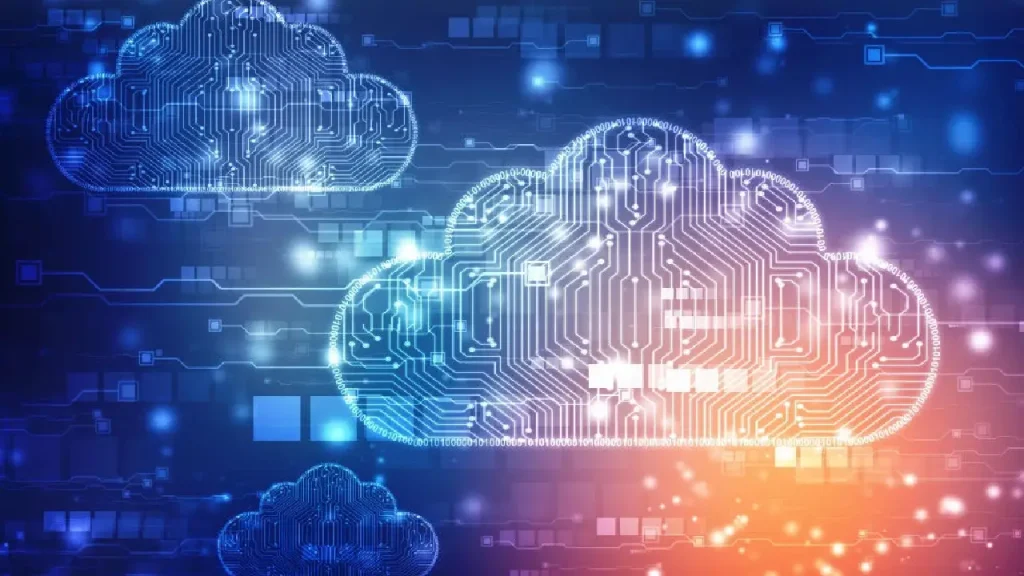
cloud-based infrastructure enables organizations to store and manage data on virtual platforms that offer scalability and reliability.
It eliminates dependency on physical hardware while improving system availability and performance efficiency.
Enterprises benefit from reduced downtime and faster deployment cycles.
Virtual Server Management for Better Control
virtual server management allows IT teams to control digital servers remotely with full visibility and operational authority.
This ensures smoother workflows, faster updates, and improved system stability across enterprise environments.
Secure Remote Data Center Access
remote data center access provides secure connectivity to critical infrastructure systems without requiring physical presence.
With advanced encryption and authentication layers, organizations maintain strong cybersecurity while enabling global access.
This improves operational continuity and reduces risks associated with physical dependency.
Scalable Distributed IT Systems
distributed IT systems offer scalable architecture that adapts to business demands in real time.
Companies can expand or reduce resources instantly based on workload requirements, improving efficiency and cost control.
Financial and Security Advantages
Remote IT infrastructure reduces capital expenditure by eliminating the need for physical hardware and maintenance.
At the same time, it enhances security through centralized monitoring, automated backups, and intelligent threat detection systems.
For additional resources, visit AXCEL or explore DTMetrix Blog.
Conclusion
Remote IT Infrastructure is a core driver of modern digital transformation. It delivers scalability, flexibility, cost efficiency, and enterprise-grade security for businesses worldwide.